Screening Technology: Vibrating Screens Separate Materials Systematically
Our vibrating screens are designed for demanding applications across a wide range of industries. Screening, grading, dewatering, and conveying: With the right screening machine, you can reliably separate bulk materials and tailor the process to your specific needs. AViTEQ develops customized solutions tailored to the material being conveyed, throughput, and installation conditions.
Which screening machine is best suited for which process?
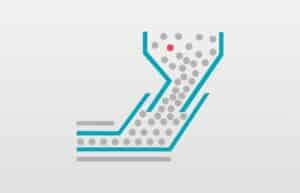
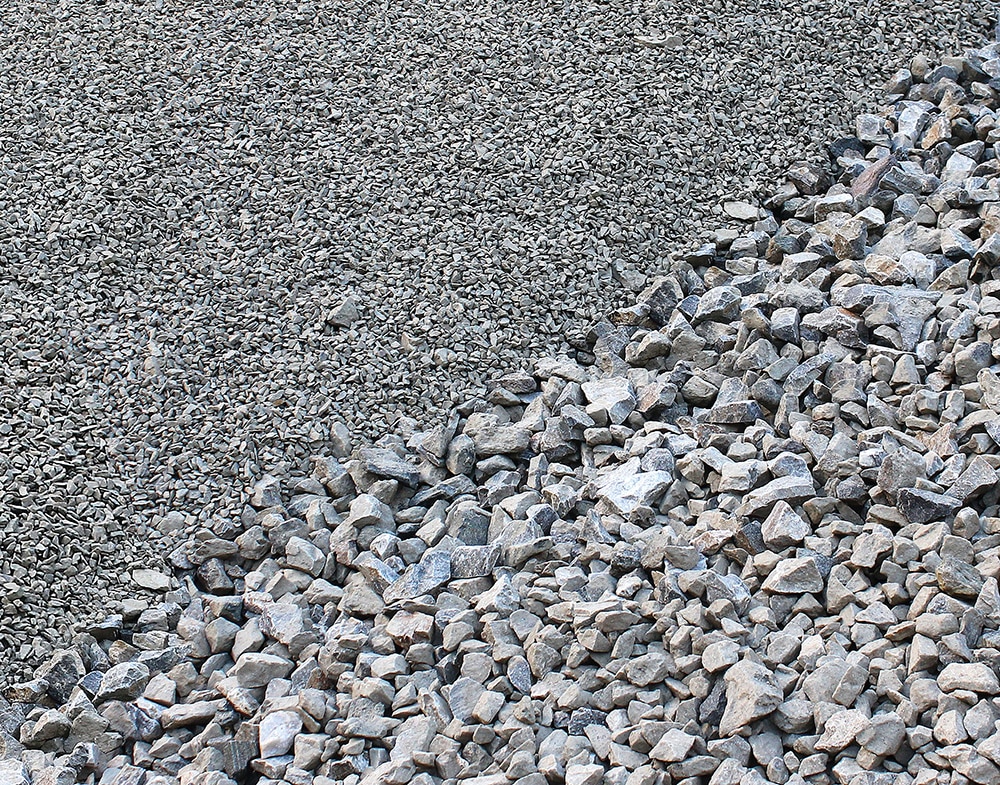
A vibrating screen separates bulk materials using a vibrating screening surface. Depending on the mesh size and design, smaller particles pass through the screen,
while larger components are conveyed further or discharged. This allows materials to be classified by particle size, coarse components to be separated in advance, or liquids to be removed from bulk materials. Many users use the terms “vibrating screen,” “screening machine,” and “vibrating screening machine” to refer to machines that operate using vibrations. However, the name alone is not the only factor to consider when making a selection. The most important factors are the screening task, the type of motion, the screen deck, the screen media, and the properties of the material being processed.
AViTEQ Screening technology is used wherever materials need to be separated, classified, dewatered, or conveyed further in the process. The appropriate design depends on the bulk material, the desired separation result, and the conditions at the installation site.
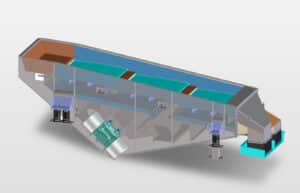
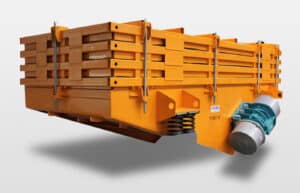
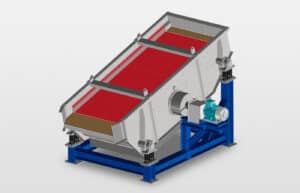
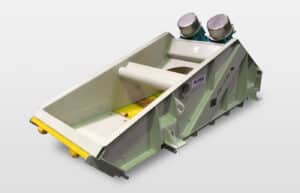
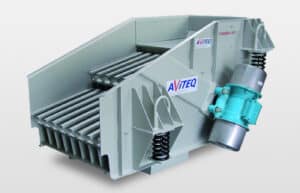

| Screen Type | Typical Task | Particularly suitable when… |
| Linear vibration screen | Conveying, Screening, and Classifying | a robust solution is needed for medium- to coarse-grained bulk materials and high throughput rates |
| Circular motion screen | Classification, protective screening , and dewatering | medium- to coarse-grained material to be separated wet or dry |
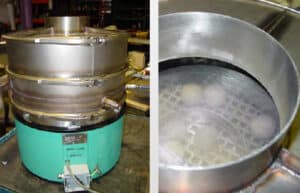
| Multi-deck Horizontal Screen | Highly Selective Classification into Multiple Fractions in | Dry bulk material in the (medium to fine grain range) is to be sorted |
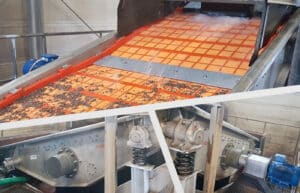
| Dewatering screen | Separating Liquid from Bulk Material | The residual moisture should be reduced before a subsequent process step |
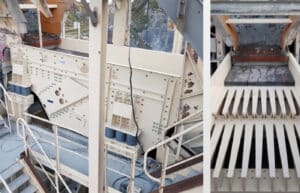
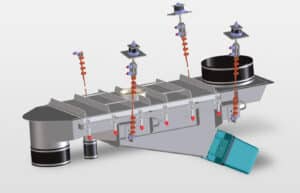
| GRIZZLY Bar Screen | Conveying and Pre-screening of Coarse Grain | Coarse particles should be separated before crushers or subsequent screens |
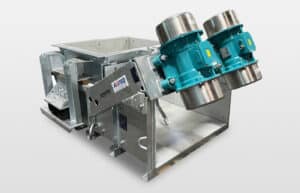
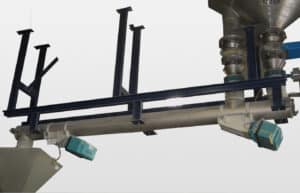
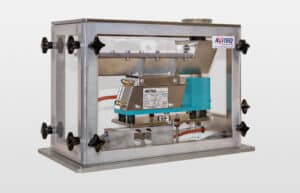
| Small conveyor with " " screen insert | Conveying, Dosing, and Screening | a compact solution for smaller flow rates or an integrated screening stage is required |
What is important when it comes to design?
For a screening machine to operate reliably, the machine and the screen deck must be suited to the material and the feed conditions. The following specifications are particularly important for the design:
• Type and composition of the bulk material
• Particle size, particle shape, and particle size distribution
• Moisture content and other relevant material properties
• Desired cut size and number of fractions
• Required throughput
• Wet or dry screening
• Available installation dimensions and connection points
• Integration into upstream and downstream process steps
The more complete this information is, the more precisely the appropriate solution can be determined. For materials that are difficult to assess, testing at the AViTEQ Technical Center and Bulk Material Laboratory can assist in the selection process.


We control safely
With its Vibtronic brand, AViTEQ offers fully coordinated controller for the optimum operation of vibratory machines in a wide range of applications.
We replace perfectly
Thanks to many years of experience, AViTEQ offers suitable, state-of-the-art spare parts - even for brands that are no longer available on the market.