

Vibrating Conveyors for Bulk Material Transport
Key Technical Specifications at a Glance
- Length: Individual units can reach lengths of up to 9,000 mm; however, in theory, our vibrating chutes can handle conveyor distances of any length. Tailor your conveyor systems to your specific production needs and logistics processes without compromising performance.
- Width: Determine the width of your vibrating feeders and thus your material transport and throughput capacities. Ensure even distribution of bulk material during transportation and avoid bottlenecks and blockages while moving a diverse range of products efficiently.
- Throughput: With our vibrating conveyors, you can maximize your productivity and cost-effectiveness by moving large volumes of material quickly and adjusting the throughput to meet your requirements and operational goals. The result: the greatest possible increase in efficiency without any loss of material or quality.
What is a vibrating conveyor?
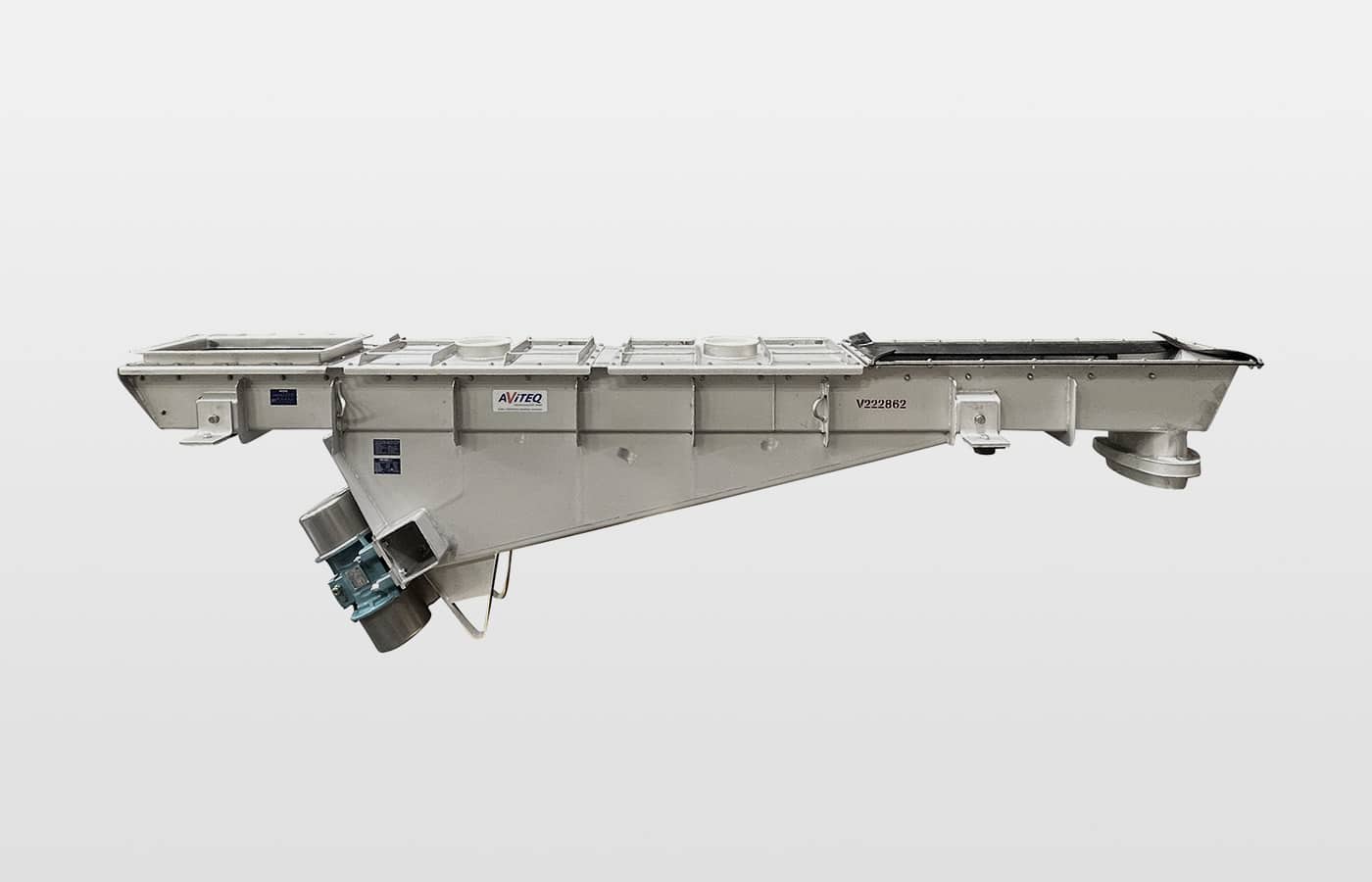
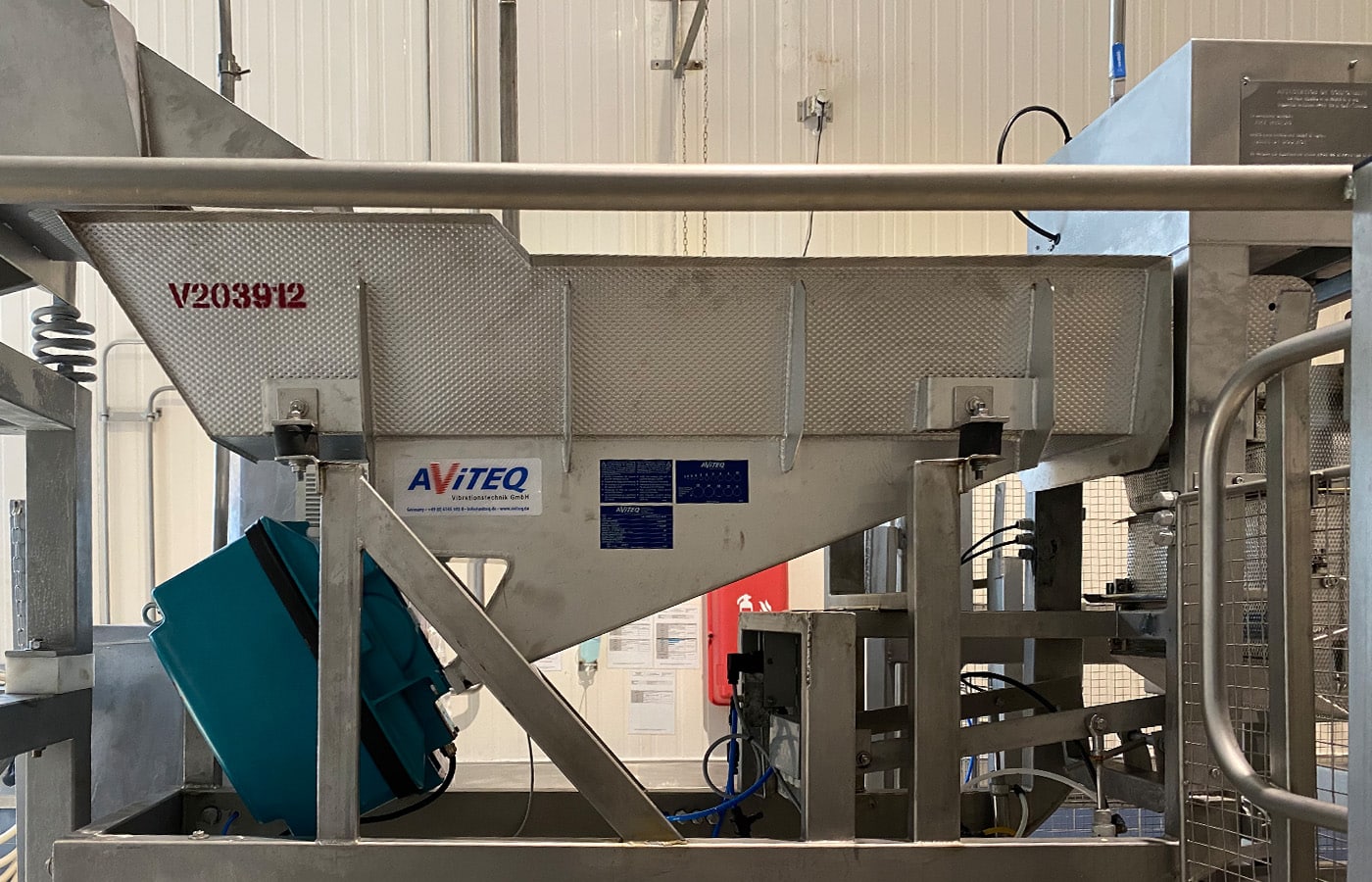
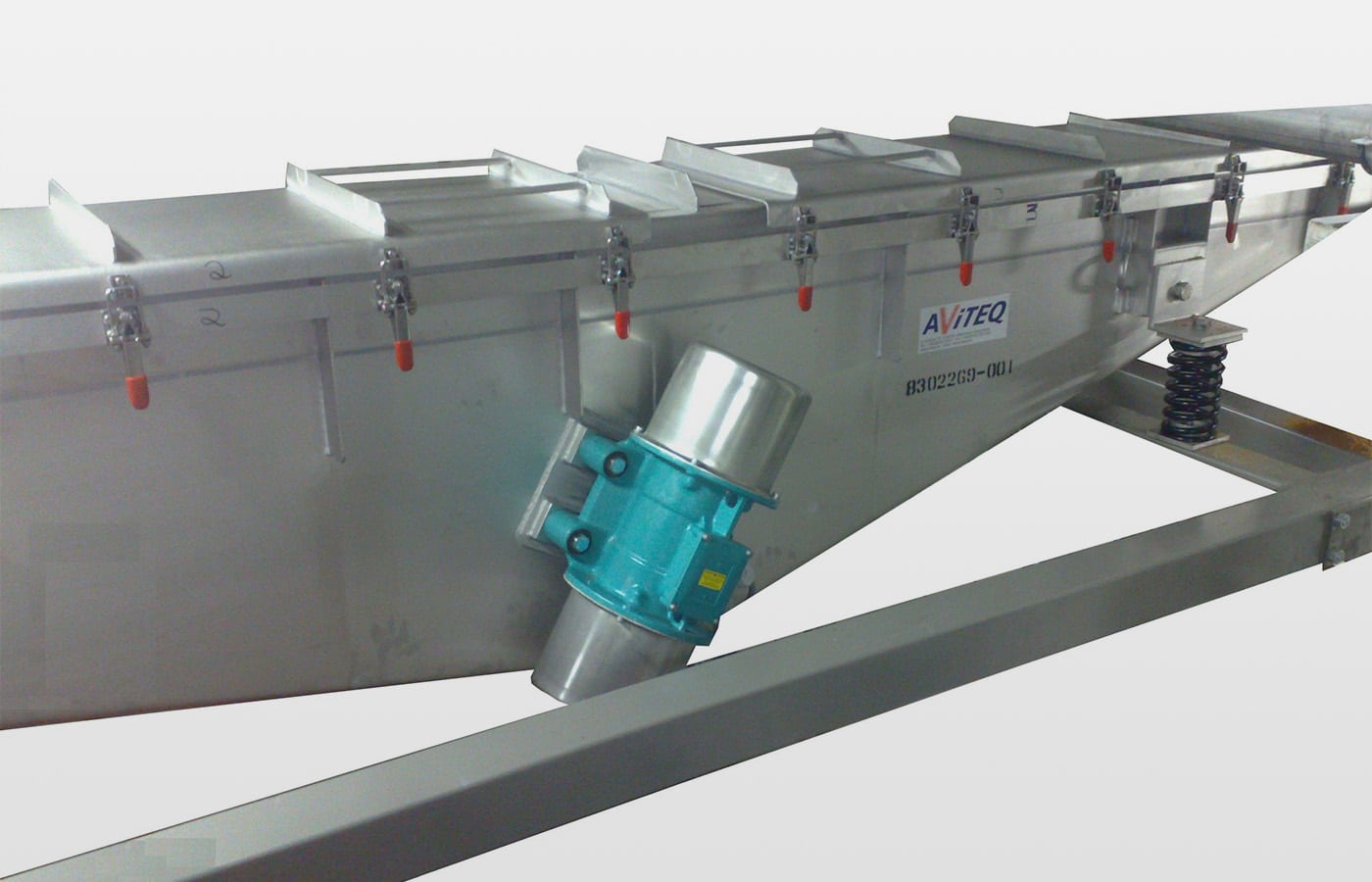
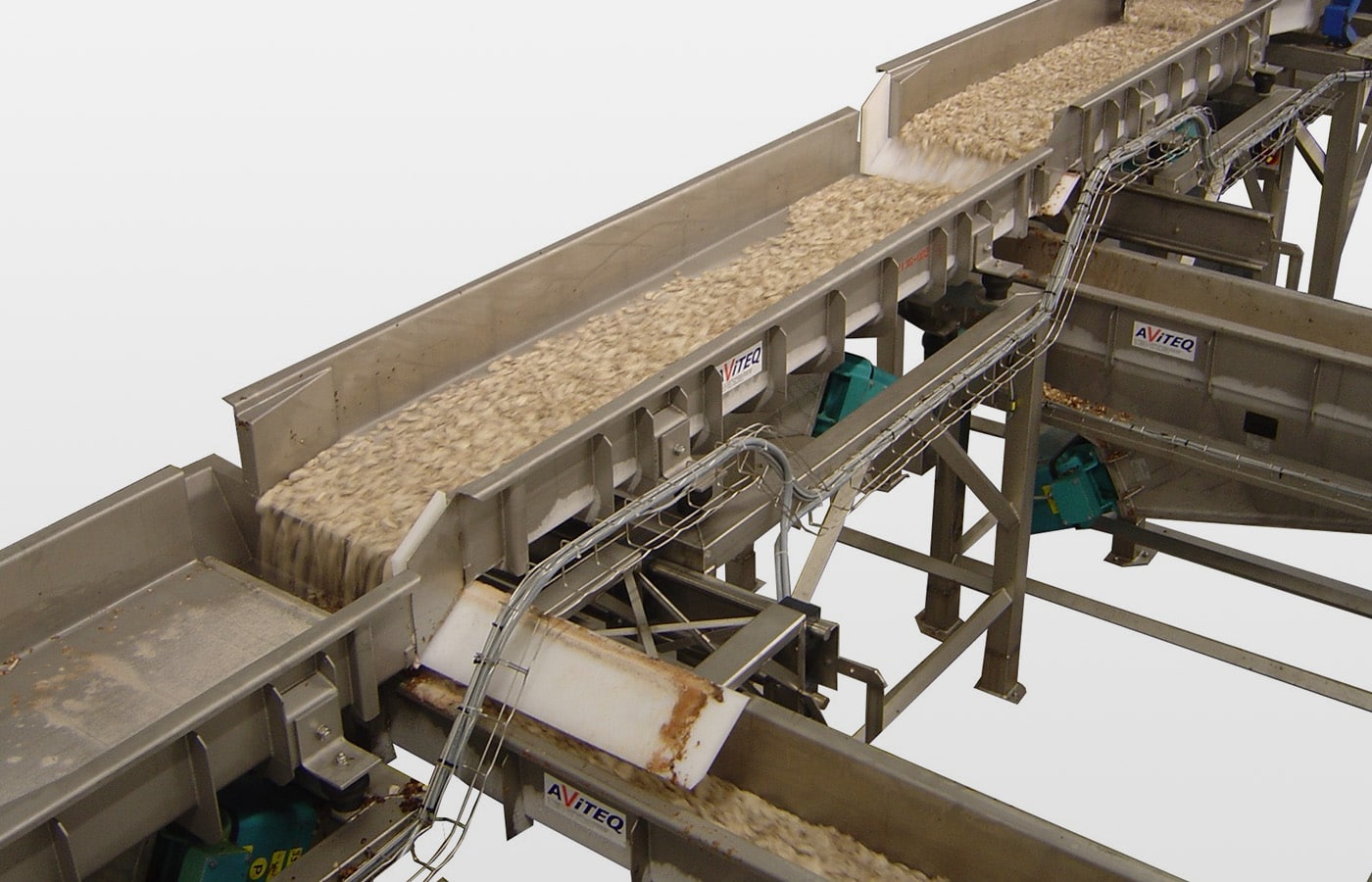
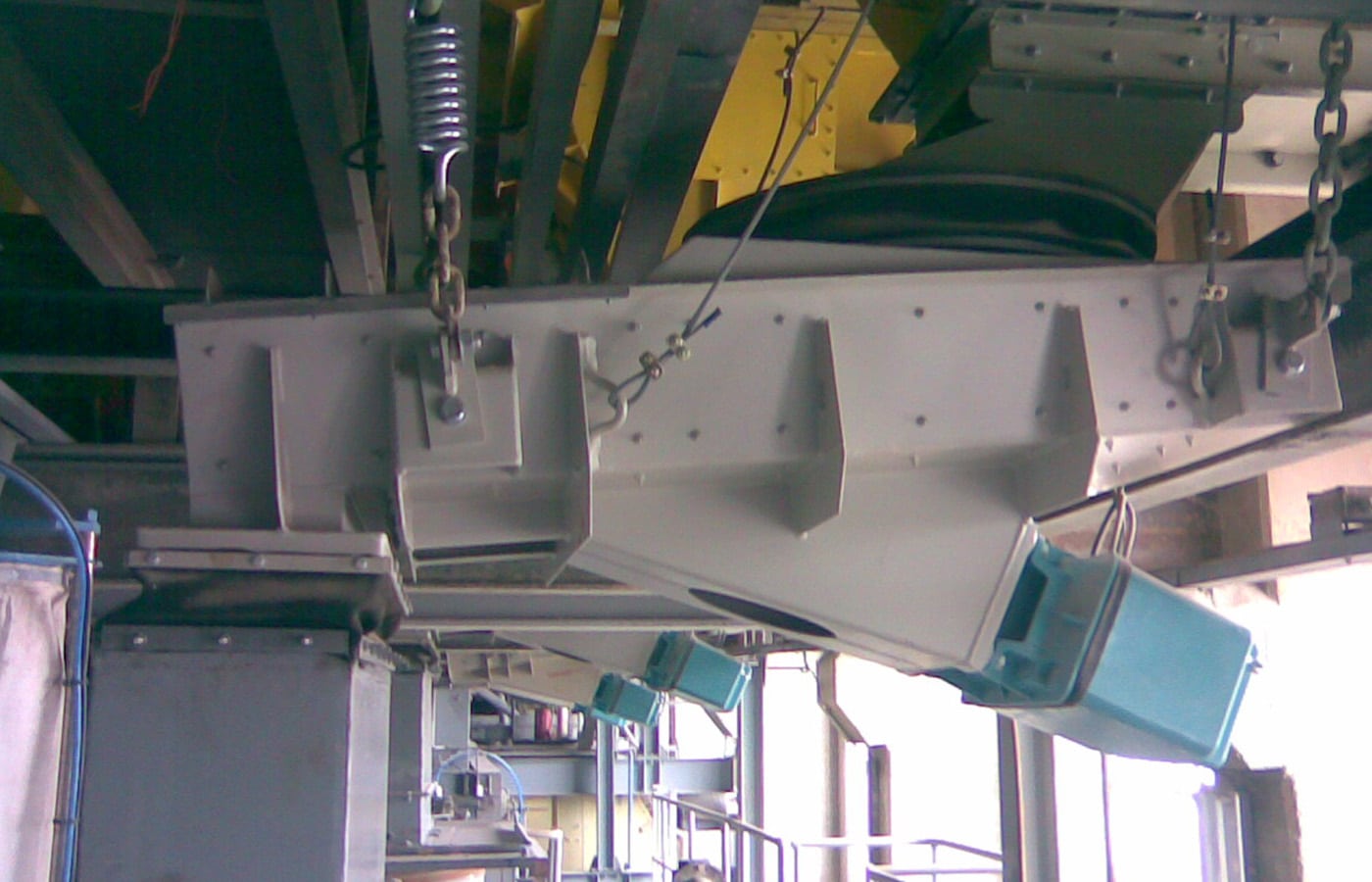
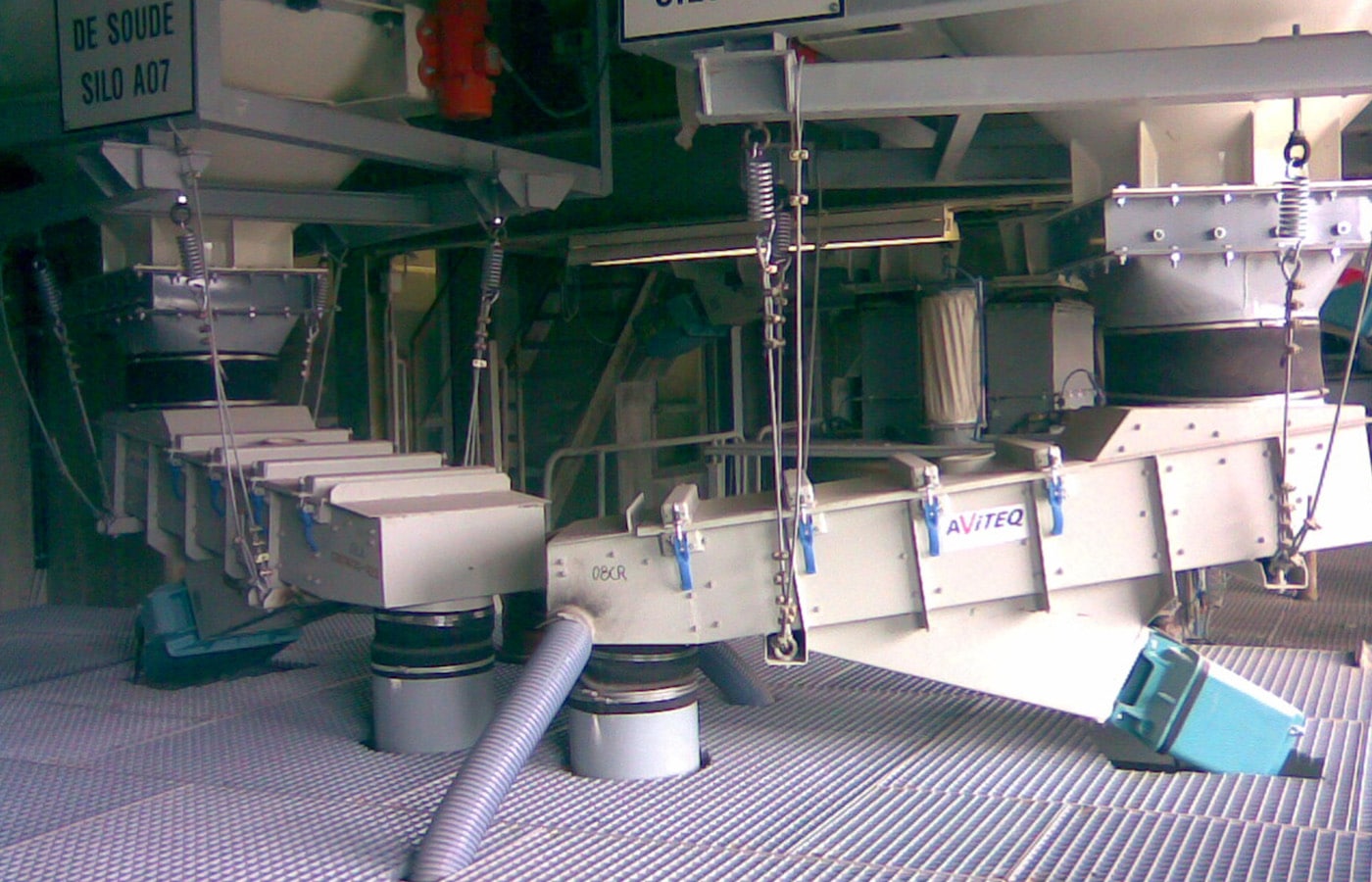
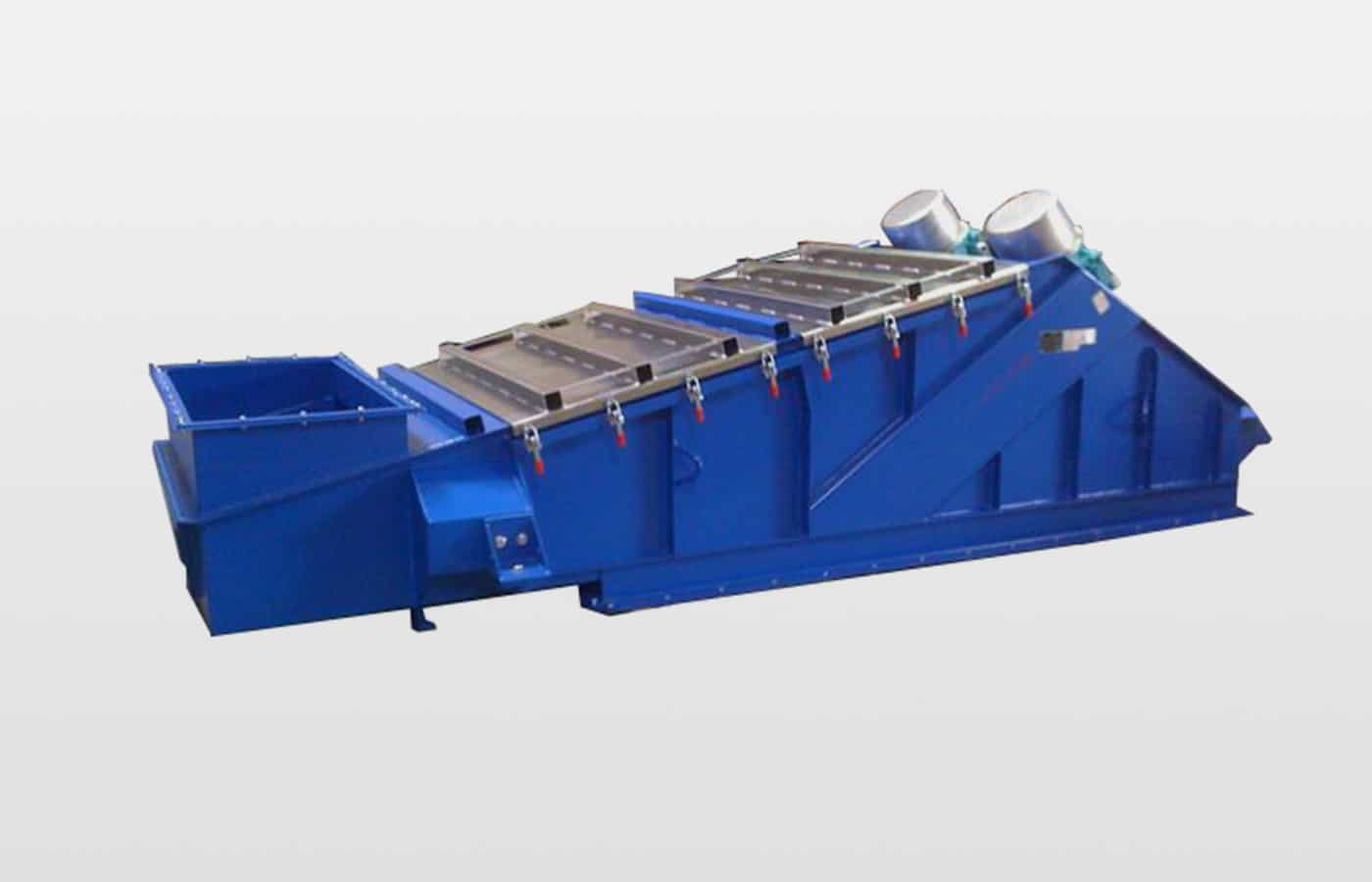
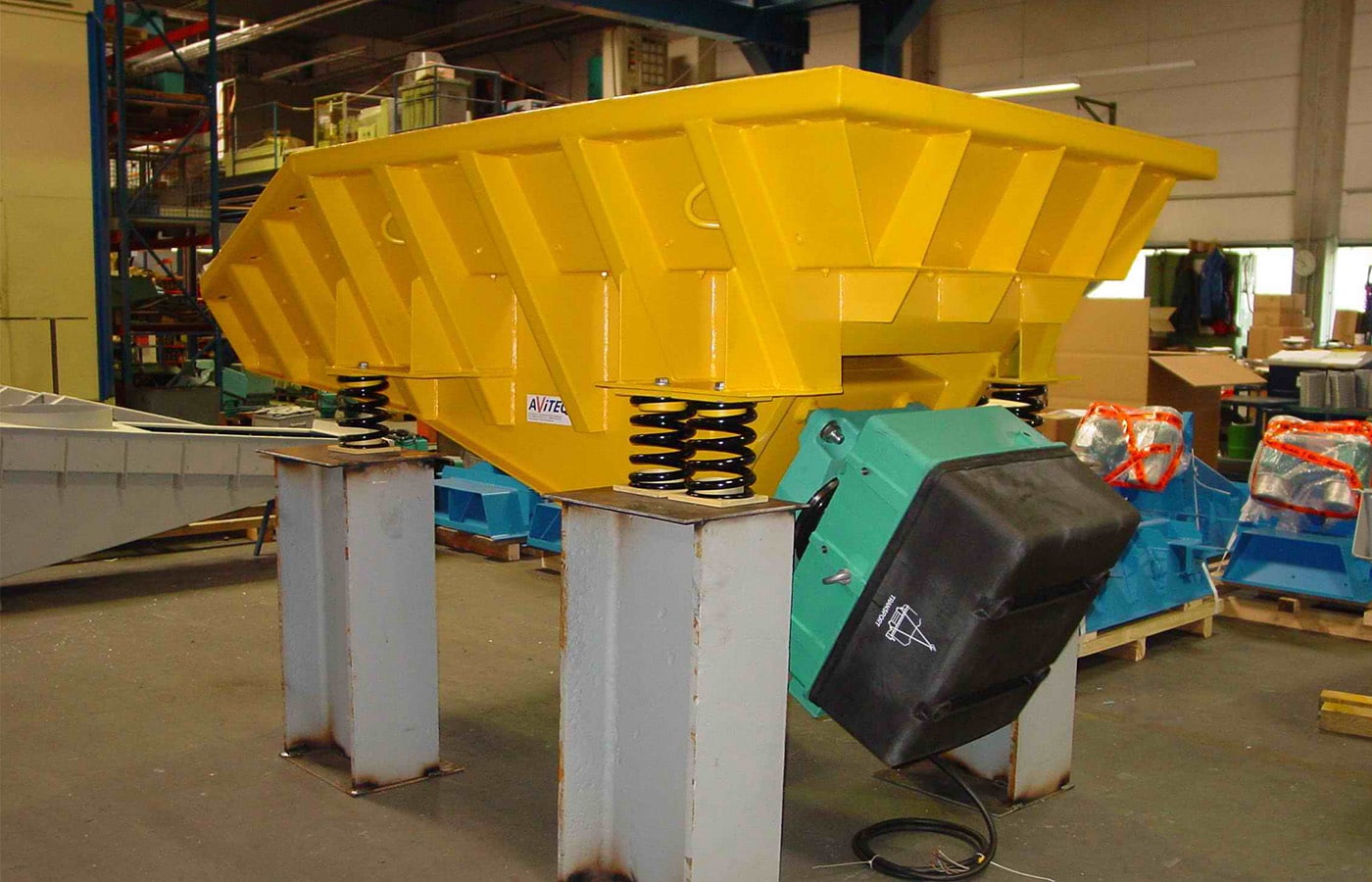
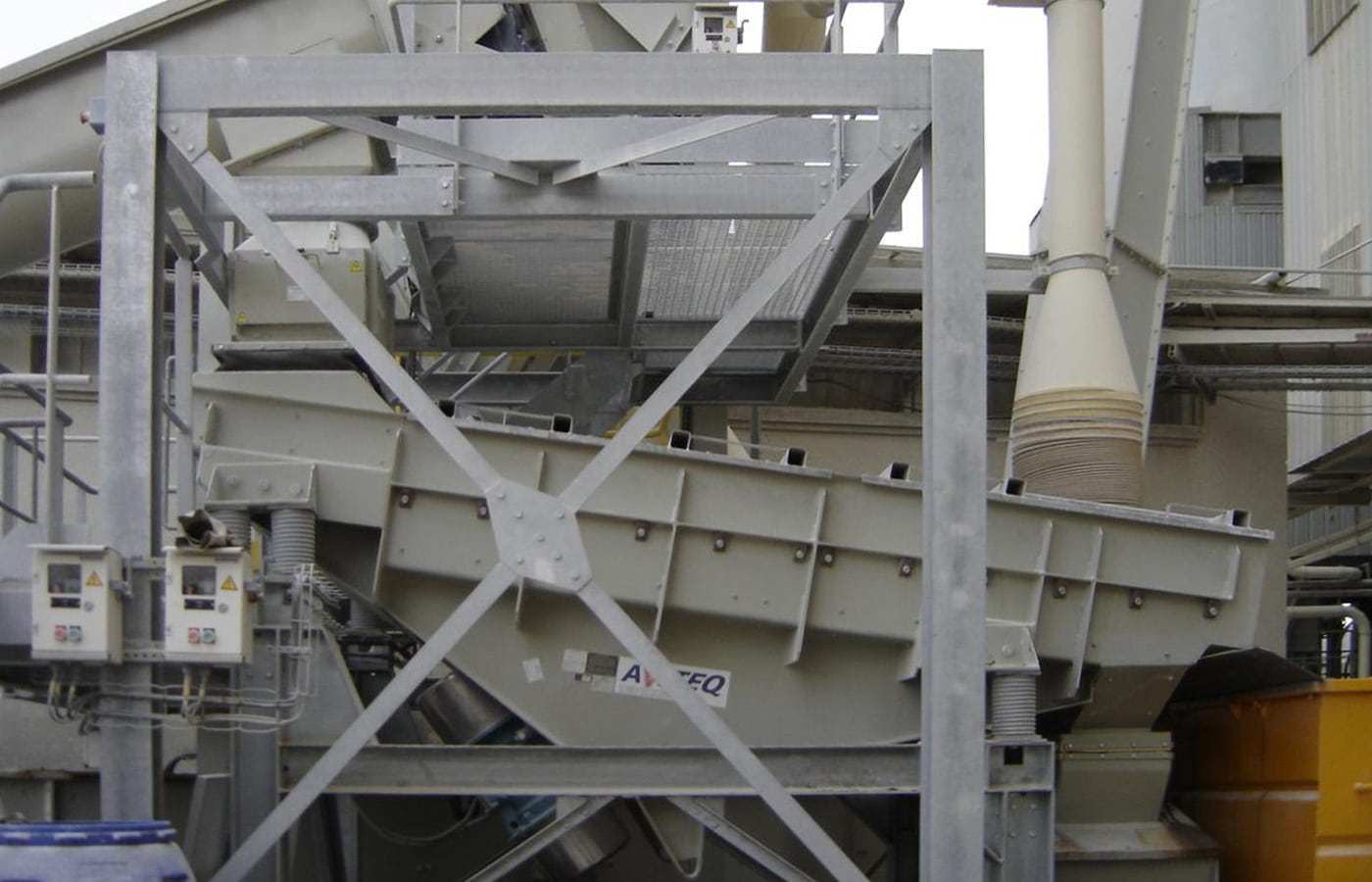
A vibrating conveyor moves bulk material along a vibrating trough. The drive generates the vibrating motion that transports the material along the conveyor path. Depending on the model, either magnetic vibrators or unbalanced motors are used. AViTEQ Vibrating conveyors are designed for a variety of materials and production conditions. The appropriate model depends, among other factors, on the properties of the material, the required throughput, and the available installation space.
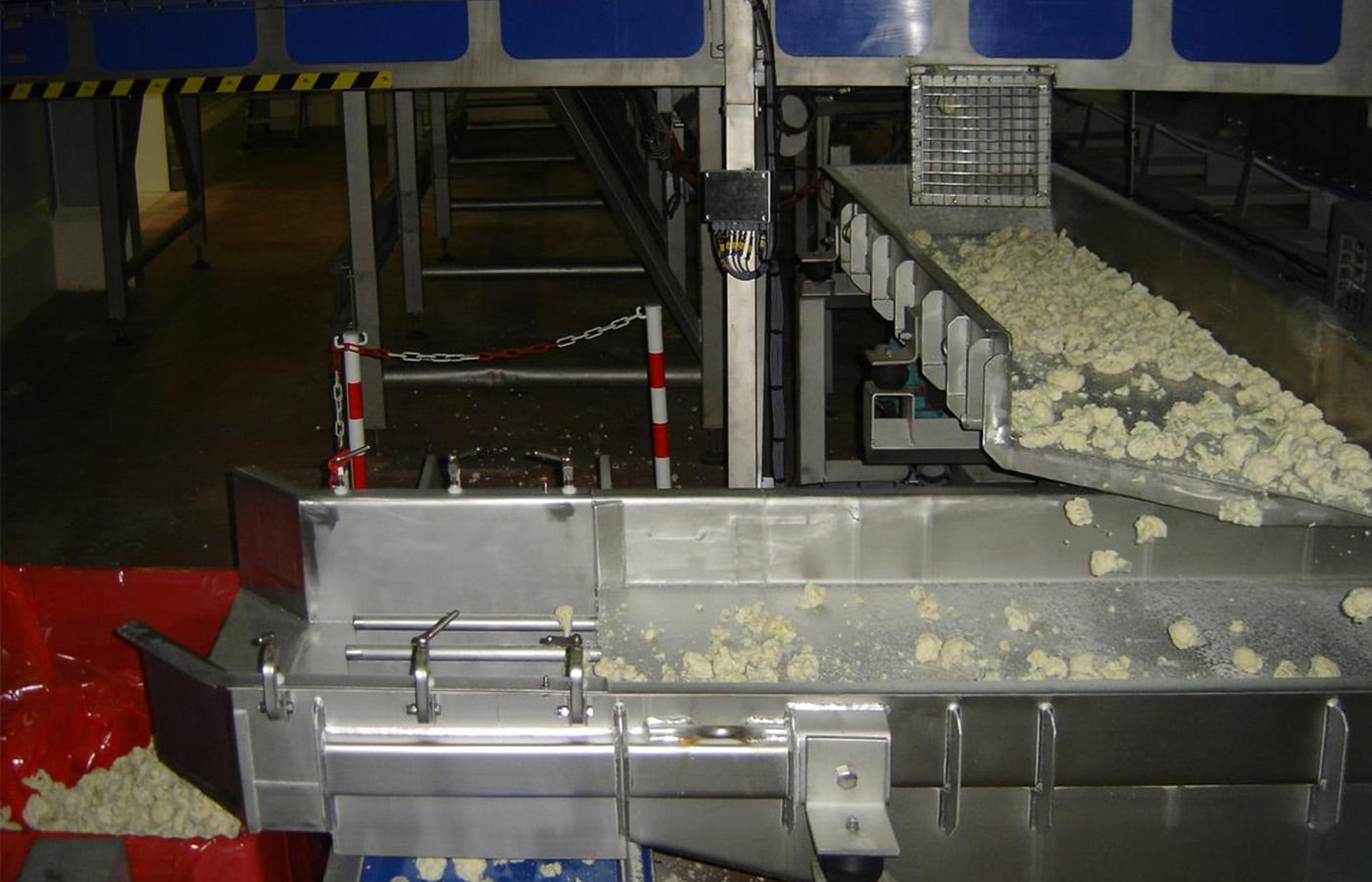
Our vibrating chutes, also known as vibrating conveyors, offer an extremely wide range of applications for a variety of bulk materials and products, which increases your operational versatility. The various drive types reduce unnecessary friction, prevent material jams, and facilitate material flow. This makes the AViTEQ vibrating conveyor an efficient vibrating feeder that, thanks to the option of series connections, can transport bulk material over long distances. Available in standard and stainless steel versions, the vibrating conveyors remain corrosion-resistant and operational in any environment.
- Wide range of applications for various bulk materials
- Driven by magnetic vibrators and unbalance motors
- Potential series connection for long conveyor sections
- Available in a dust-tight version
- Available in corrosion-resistant standard and stainless steel versions
- Multiple drive can be set up
How does a vibrating screed work?
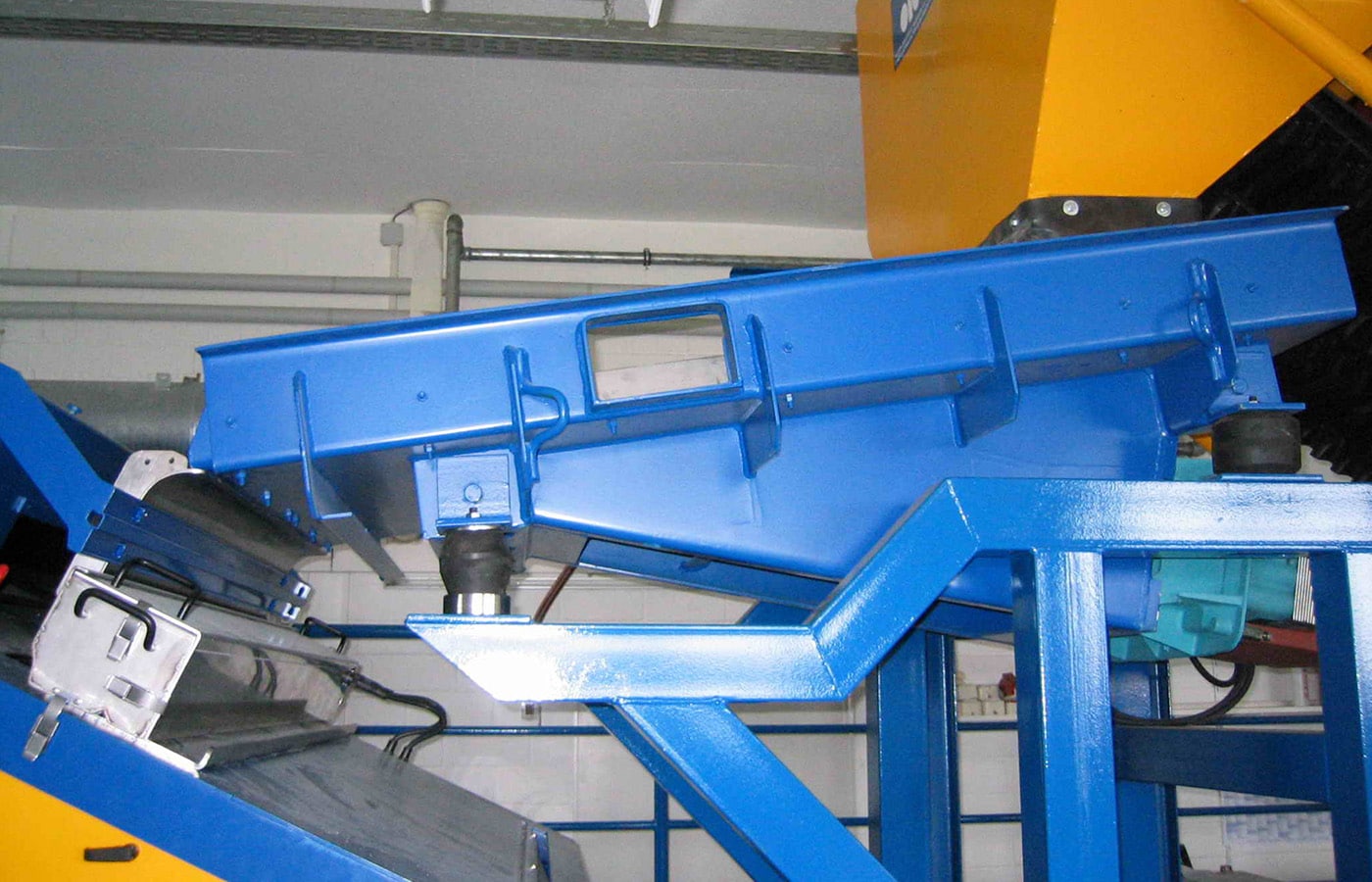
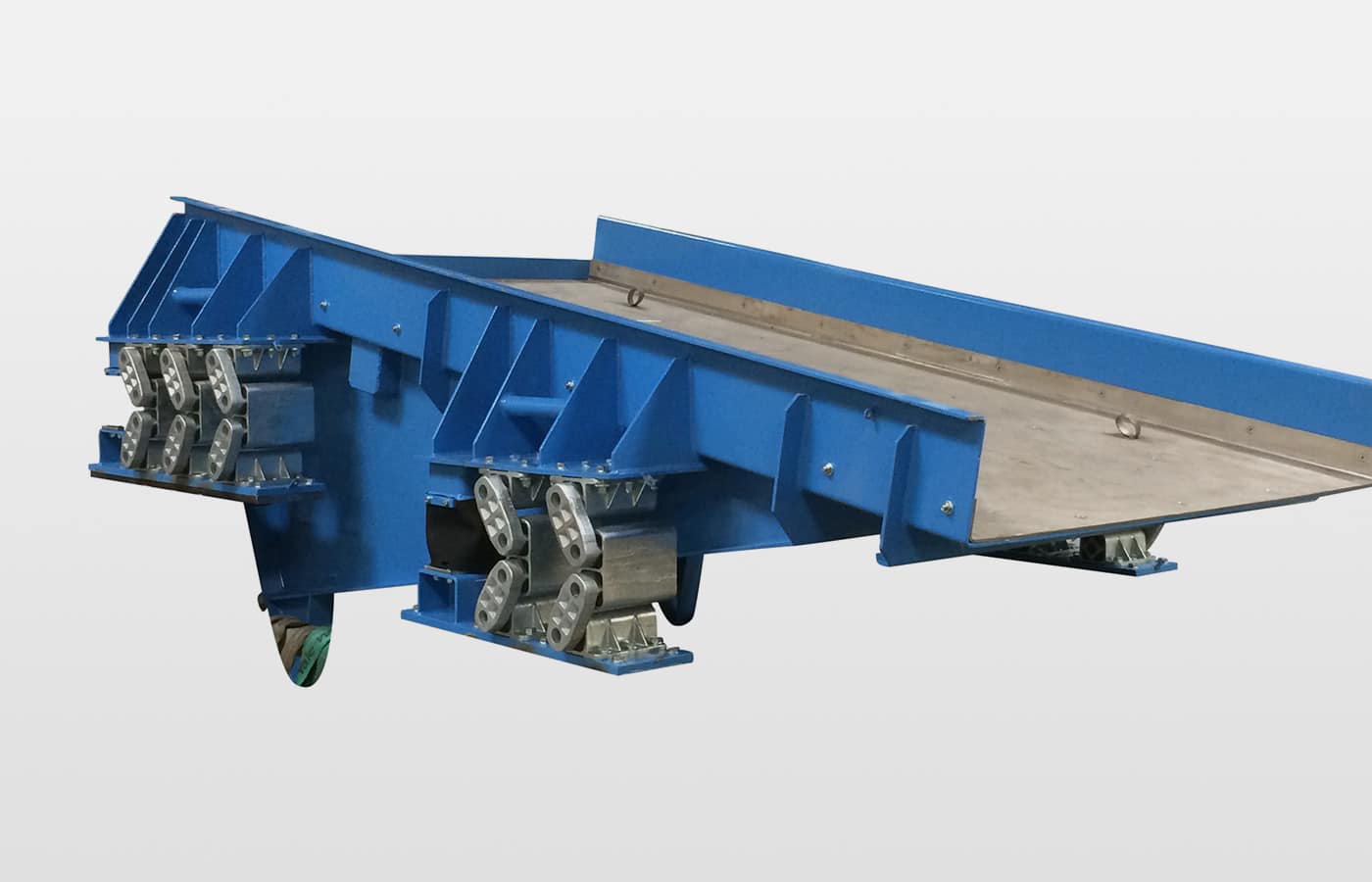
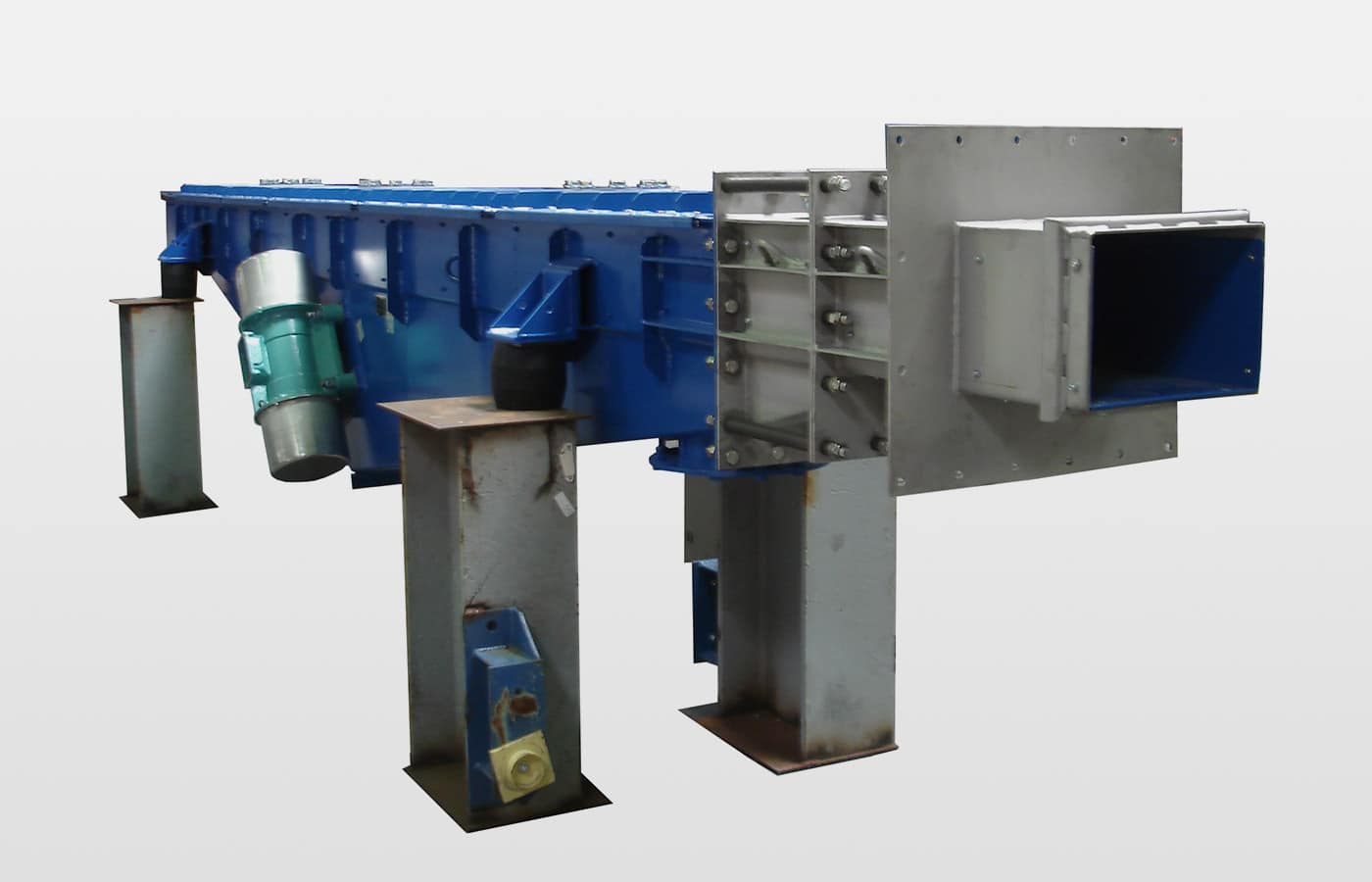
The design is simple, efficient and low-maintenance. The drive crossbeam ensures that the motor is correctly aligned and firmly attached to the vibrating feeder. This also ensures effective power transmission and productive transportation of the bulk material along the vibrating feeder. The inlet/outlet spouts on covered versions enable controlled conveying without material loss, while elastic support elements dampen vibrations, provide additional stability and reduce vibrations on the machine infrastructure.
-
Vibrating feeder with drive traverse
-
With optimally designed drive crosshead
-
Effective power transmission along the vibrating feeder
-
Inlet/outlet supports for controlled transportation
-
Prevention of material loss
- Design enables easy replacement of drives / motors
-
Elastic support elements for vibration damping
-
Flexible seals
Which model is best suited for which material?
The dimensions of our AViTEQ vibrating feeders can be tailored to the requirements of your conveyed material, regardless of the particle size, abrasiveness, bulk density or moisture content you are working with. The width and length can also be adapted to your individual spatial conditions and the geometric specifications of your conveyor path in order to make ideal use of the available space and guarantee optimum throughput. This ensures efficient material transport without malfunctions, damage to the system or unwanted downtimes.
Customizable installation dimensions:
- to the requirements of the conveyed goods
- to the required throughput quantity
- to the required geometry of the conveying process
- to the spatial conditions and the available space
- Ensuring efficient material transportation
- Avoidance of damage
FAQ: Vibrating Conveyors
Magnetic drives or unbalanced motors act as vibration generators, producing a defined vibrational motion that moves the material being conveyed along a trough or conveyor. Depending on the design and process, this systematic utilization of the generated vibrational motion results in a conveying or metering process. The specific motion and suitability depend on the drive, the machine design, and the material being conveyed.
Conveyability and design depend on properties such as particle size, bulk density, moisture content, temperature, abrasiveness, and flow behavior of the bulk material. To make a reliable assessment, the specific application should be evaluated. Manufacturer information lists material properties, and in many cases, a comparison with the AViTEQ bulk material database alone can provide results regarding conveyability.
Performance is influenced by factors such as bulk density, chute width and shape, material bed height, conveying speed, and installation conditions.
The bulk material, the desired throughput, and the actual installation and operating conditions form the basis for the technical design. We recommend including the following items in your inquiry checklist: material and product condition, bulk density, particle size range, desired minimum and maximum throughput, conveying distance, height difference, feed and discharge points, available installation dimensions, and environmental conditions. The AViTEQ product configurator helps you consider all key technical factors.

The easiest way to submit a request

PRODUCT CONFIGURATOR
Take the opportunity to easily configure your project and the products it contains and send it to us. Can be saved and called up at any time.








Horizontal conveying
Discover all products in the "Horizontal conveying" range.
Further information
Download more information about our product here.
